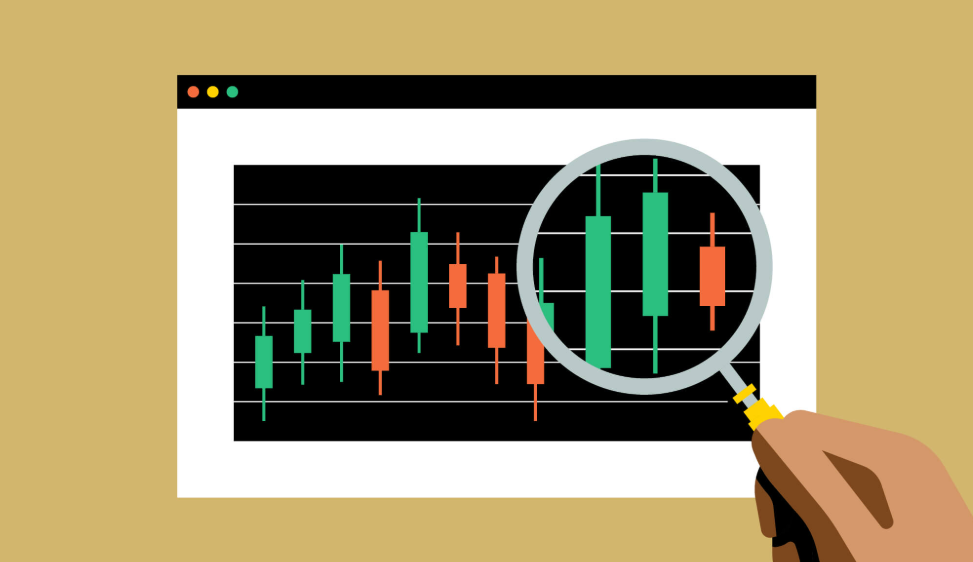
On-chain data analysis systematically examines blockchain-recorded transactions and state changes to extract actionable insights. It focuses on provenance, modular workflows, and resilience, while applying data governance to protect privacy. Analysts transform raw transactions into time-series, engineer features, and normalize results for cross-sample comparability. The objective is robust, replicable metrics and signals that inform developers, traders, researchers, and governance, supported by transparent methodologies. The next step reveals how these elements translate into concrete metrics and practical applications.
What Is On-Chain Data Analysis? A Quick Primer
On-chain data analysis is the systematic examination of blockchain-recorded transactions and state changes to extract actionable insights about network activity, participant behavior, and liquidity dynamics. The approach emphasizes on chain privacy and data fabric concepts, prioritizing modularity, provenance, and resilience. It frames metrics, patterns, and risk indicators in an objective, replicable manner, supporting autonomous decision-making while preserving user autonomy and structural transparency.
See also: What Is Market Capitalization in Crypto?
Data You’ll Analyze: Transactions, Addresses, and Smart Contracts
Data examined in on-chain analysis centers on three core data sets: transactions, addresses, and smart contracts. Analysts evaluate transaction flows, address activity, and contract interactions to map network behavior, latency, and value movement.
The approach emphasizes data governance and privacy preservation, balancing transparency with protection. Results enable auditors and researchers to quantify risk, detect anomalies, and support informed governance decisions without compromising user autonomy.
From Data to Signals: Methods and Key Metrics
The analysis proceeds from raw transaction, address, and smart contract data to measurable indicators that reveal network dynamics. Methods include time-series aggregation, feature engineering, and normalization to ensure comparability. Key metrics cover activity intensity, liquidity flows, and centrality; data privacy considerations govern sampling and masking. Data normalization enables cross-chain benchmarking, while signal quality hinges on variance reduction and robust statistical testing.
Practical Use by Role: Developers, Traders, and Researchers
Developers, traders, and researchers leverage on-chain data to inform their workflows, decisions, and hypotheses with concrete, role-specific relevance. They translate on-chain signals into reproducible analyses, build impact-focused dashboards, and track risk indicators alongside traditional metrics.
This approach clarifies capabilities, reveals causal links, and guides experimentation while maintaining methodological rigor and freedom to pursue alternative hypotheses.
Conclusion
On-chain data analysis translates raw blockchain activity into measurable signals. By examining transactions, addresses, and smart contracts, analysts extract time-series features, normalize results, and apply robust statistical methods to reveal network liquidity, participant behavior, and activity trends. This approach emphasizes data provenance, modular workflows, and transparent methodologies to enable replicability. Could these data-driven insights reliably inform developers, traders, and researchers about future network dynamics while safeguarding privacy and governance goals?